






The Bridge That Started the Great Fire of 1862
A cow started the great fire of Chicago. An earthquake started the great fire of San Francisco. But Troy’s Great Fire was started by an old covered bridge.
From New York Bay to the head of navigation at Waterford, it was the first bridge ever built across the Hudson. Nearly a third of a mile long, it was wide enough to accommodate a railroad track, a carriage road, and a footway.
On Saturday, May 10, 1862, it nearly destroyed the city of Troy. A gale was blowing from the northwest, when a spark from a locomotive lodged in the shingles on the roof. In a twinkling, the entire bridge was in flames and the wind had carried burning embers to all parts of the city.
The fire started at noon. By six o’clock in the evening, seventy-five acres in the heart of Troy had been “swept over as by the hand of a destroying fiend.”
“Tears and despondency,” says a historian, “could not recall the burned property which had been slowly accumulated by the incessant industry of many years.” But by the latter part of July, 181 buildings had been rebuilt, and by November, all but a few of the burned lots were covered with new and superior structures.
Once again, the famous “enterprise of the Trojans” had not failed. And this bank is proud to have played a part in rebuilding the stricken city. Today, 77 years later, the Manufacturers National joins with other Troy banks in looking forward to a great industrial and commercial failure.

The Renwick Gallery is closed to the public to prepare for the exhibition Handwork: Contemporary Craft at the Renwick Gallery, opening November 13.
Visit Planning
Explore Art and Artists
Something Fun
Exhibitions
Art Conservation
Research Resources
Publications
Fellows and Interns
Featured Resource
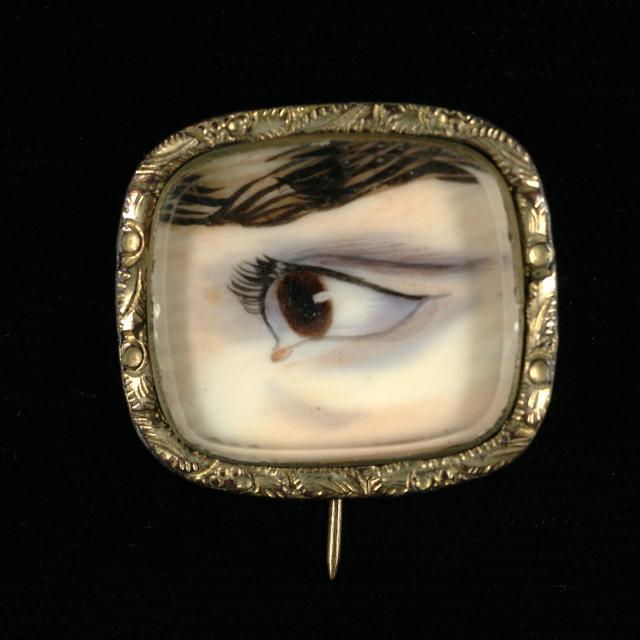
Want to learn more about the painting you found while clearing out the attic? For answers, be prepared for a little detective work.
Read moreFor K-12 Teachers
For Lifelong Learners
Learn from Home
Featured Resource

Find lesson plans, hands-on activities, and more for learners of all ages.
Search educational resourcesLatest News
About the Museums
Host an Event
Connect with Us
Featured Story

The Smithsonian announced the appointment of Lynda Roscoe Hartigan as the Margaret and Terry Stent Director of the Smithsonian American Art Museum, effective September 8, 2026.
Read more