










- Description
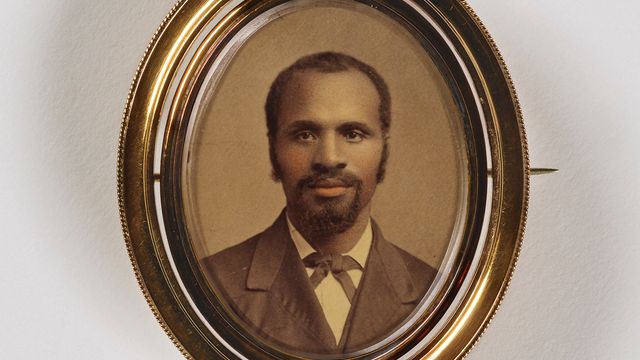
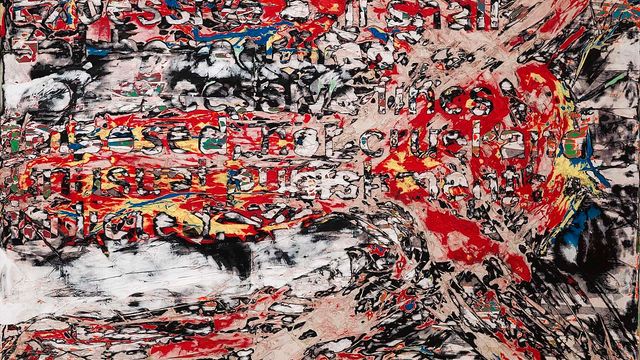
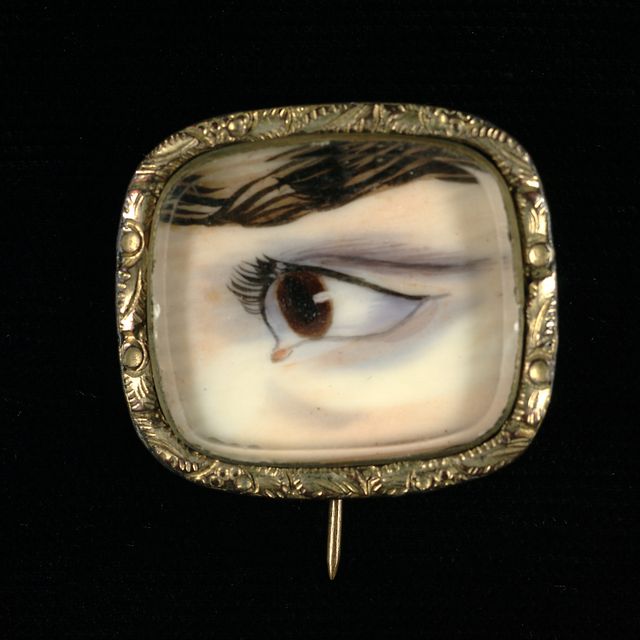
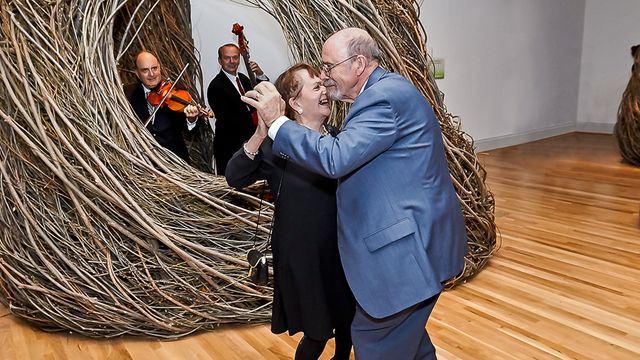
From beads to bottlecaps, tinfoil to toys, artists have used many nontraditional materials to express themselves and create art. This videoconference covers how artists use everyday materials, vision and imagination, storytelling, and a sense of place.
Videoconferences can touch on one or more of the following standards
National
Visual Arts
• K-12.7: Perceive and analyze artistic work
• K-12.8: Interpret intent and meaning in artistic work
• K-12.9: Apply criteria to evaluate artistic work
• K-12.11: Relate artistic ideas and works from a variety of sources with societal, cultural, and historical context to deepen understanding
Historical Thinking
• K-12.4: Obtain and interrogate historical data from a variety of sources, including library and museum collections, in order to formulate historical questions from encounters with art and other records from the past
Common Core State Standards for English Language Arts/Literacy, College and Career Readiness
Standards have been slightly modified to expand the definition of "text" to include artworks.
Reading
• R.1: Read closely to determine what the [artwork] says explicitly and to make logical inferences from it; cite specific [visual] evidence when writing or speaking to support conclusions drawn from the [artwork].
• R.2: Determine central ideas or themes of a[n artwork] and analyze their development; summarize the key supporting details and ideas.
• R.6: Assess how point of view or purpose shapes the content and style of a[n artwork].
• R.7: Integrate and evaluate content presented in diverse media and formats, including visually and quantitatively, as well as in words.
• R.9: Analyze how two or more [artworks] address similar themes or topics in order to build knowledge or to compare the approaches the [artists] take.
Speaking and Listening
• SL.1: Prepare for and participate effectively in a range of conversations and collaborations with diverse partners, building on others' ideas and expressing their own clearly and persuasively.
• SL.2: Integrate and evaluate information presented in diverse media and formats, including visually, quantitatively, and orally.
• SL.3: Evaluate a speaker’s [or an artist’s] point of view, reasoning, and use of evidence and rhetoric.
• SL.4: Present information, findings, and supporting evidence such that listeners can follow the line of reasoning and the organization, development, and style are appropriate to task, purpose, and audience.- Educational Uses
- Grade
- 3-12
- Topic
Goals
After participation in this videoconference, your students will be better able to:
• Understand some of the purposes and processes of American artists who work with found objects;
• Understand how nontraditional materials can be vehicles for artistic expression;
• Use visual vocabulary to articulate observations and interpretations of artworks made with a variety of materials;
• Identify alternative artistic uses for nontraditional materials.